
Bill 7 Lands in Parliament, Proposes Major Shake-Up to Zambia’s Constitution.
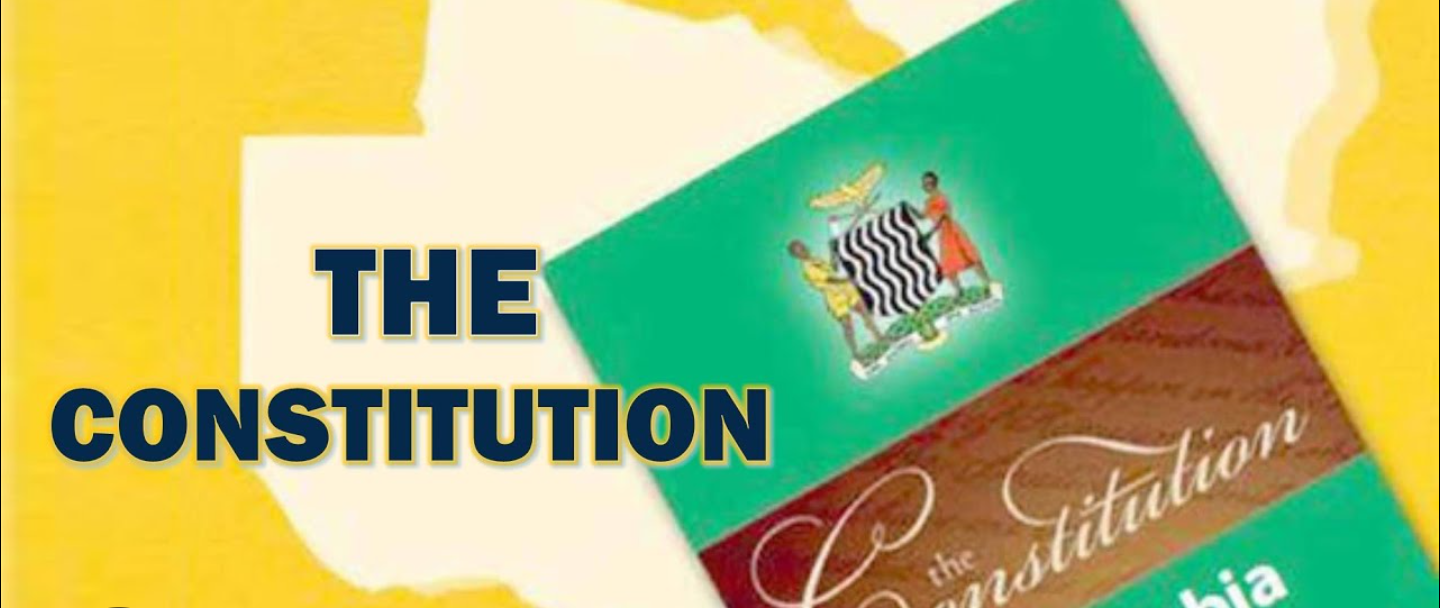
The Constitution of Zambia (Amendment) Bill No. 7 of 2025 has officially been laid before the National Assembly, setting the stage for what is expected to be an intense and highly scrutinized legislative process that could reshape the country’s political and electoral framework.
The Bill was presented to Parliament on Wednesday by Minister of Justice Princess Kasune, who said the amendments are aimed at strengthening governance, increasing inclusivity, and resolving inconsistencies in the current constitutional framework.
“Madam Speaker, I beg to present a Bill titled the Constitution of Zambia (Amendment) Bill, National Assembly Bill No. 7 of 2025,” Kasune told the House as she introduced the proposed legislation.
Speaker of the National Assembly Nelly Mutti immediately referred the Bill to a select parliamentary committee for detailed scrutiny and directed the committee to submit its report by July 29, 2025.
“Honourable Members who wish to make submissions on the Bill are free to do so. Even you, Honourable Members, are free to appear before the select committee it is not just for the public. Feel free to make submissions,” said Speaker Mutti, encouraging active engagement in the legislative process.
Key Proposed Amendments
If enacted, Bill 7 would introduce substantial amendments to Zambia’s constitutional and electoral systems, including:
- Expansion of Parliament: The number of elected Members of Parliament would increase from 156 to 211, in line with recent constituency delimitations by the Electoral Commission of Zambia (ECZ).
- Mixed Member Electoral System: The Bill proposes the adoption of a mixed member proportional representation system, aimed at increasing inclusivity. Parliament would reserve 20 seats for women, 12 for youths, and three for persons with disabilities, allocated based on political party performance in national elections.
- Mayoral Term Limits Repealed: The Bill seeks to remove the current two-term limit for mayors and council chairpersons, allowing them to continue serving indefinitely as long as they are re-elected.
- Reform of By-Elections: In cases where an independent MP or official vacates office, a by-election would still be held. However, for vacancies involving party-sponsored candidates, the party would simply appoint a replacement, eliminating the need for a new vote.
- Timing of Parliamentary Dissolution: The Constitution currently requires Parliament to dissolve 90 days before a general election. Bill 7 proposes that Parliament be dissolved just one day before polling, although no new laws would be passed in the final 90 days of the term.
Other Provisions:
- Aligning five-year terms for Parliament and local councils
- Introducing a deadline for resolving election petitions
- Revising qualifications for the Secretary to the Cabinet
- Clarifying legal definitions of “child” and “adult”
- Specifying when ministerial vacancies should be declared ahead of elections
A Broader Governance Reform Agenda
The Bill comes amid President Hakainde Hichilema’s renewed push for governance and institutional reforms, following earlier progress on economic stabilization and debt restructuring.
Speaking earlier this week during a consultative meeting with the Council of Churches in Zambia (CCZ), the Zambia Conference of Catholic Bishops (ZCCB), the Evangelical Fellowship of Zambia (EFZ), and civil society organisations, President Hichilema said:
“These proposed amendments are designed to strengthen our democracy and promote greater inclusivity for marginalised groups within our society.”
He emphasized the government's commitment to transparency, saying:
“The constitution belongs to the people of Zambia, and we reiterated the government’s commitment to ensuring that the review process is open and inclusive, with the goal of building broad consensus.”
President Hichilema further acknowledged that constitutional reform had not been prioritized earlier in his administration due to a need to first stabilize the economy and address Zambia’s debt burden.
“Now that progress has been made in that area,” he said, “attention has shifted to governance reforms, including constitutional amendments to ensure the foundations of the country’s democracy are strengthened.”
Next Steps and Political Hurdles
The select committee will now begin receiving submissions from MPs, civil society organisations, legal experts, and members of the public. Once its report is tabled in Parliament, the Bill will undergo its second and third readings.
Crucially, constitutional amendments in Zambia require a two-thirds majority in the National Assembly, meaning that the government will need to build consensus across party lines to see the Bill passed.
With opposition parties already voicing caution and some civil society actors expressing concern over the scope of the amendments, the road to adoption is likely to be legally and politically contentious.
As the debate unfolds in the weeks ahead, Bill 7 could become one of the most significant constitutional reform efforts in Zambia since the 2016 Constitution was enacted.