
Zambia Strengthens Wetland Conservation Through Global Capacity-Building Programme
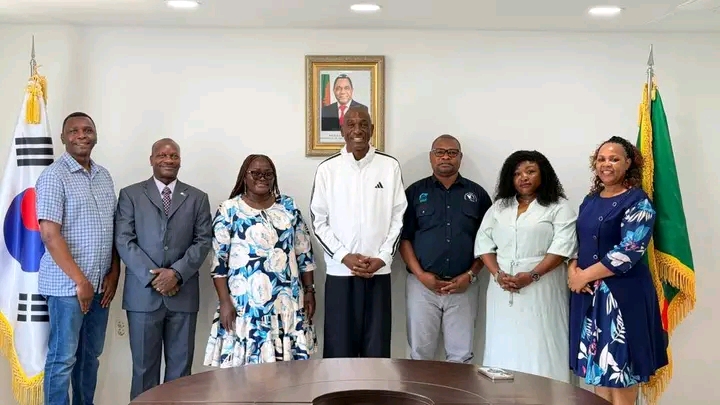
Zambia is strengthening its technical capacity for wetland conservation through participation in the global National Wetland Inventory Capacity-Building Programme, running from 2024 to 2026.
The programme is supported by the Secretariat of the Convention on Wetlands, the United Nations Office for Sustainable Development and the Republic of Korea’s National Institute of Ecology.
It is helping Zambia build the technical expertise required to develop its first official National Wetland Inventory. The inventory is expected to address a longstanding national data gap, strengthen evidence-based wetland management and contribute to monitoring progress under Sustainable Development Goal 6.6.1, which focuses on protecting and restoring water-related ecosystems.
Representing Zambia among ten participating countries are Senior Ecologist and Zambia’s National Focal Point for the Convention on Wetlands, Sandra Ponde Imbuwa, and Wetlands Ecologist Robert Chilembo.
Through the programme, the two officers are strengthening their skills in wetland mapping, classification, assessment, monitoring and inventory development. The main training phase is nearing completion, while additional capacity-building activities are expected to continue into early 2027.
As Zambia moves from capacity building towards implementation, the country has applied for grant funding to pilot the National Wetland Inventory methodology at the Busanga Swamps Ramsar Site.
The pilot is expected to provide a practical and evidence-based approach that can eventually be scaled up to support wetland inventory and monitoring across the country.
During the programme, the Zambian delegation also paid a courtesy call on Zambia’s Ambassador to the Republic of Korea, His Excellency Andrew B. Banda.
The Ambassador expressed support for translating the expertise gained through the programme into official national data products and encouraged continued engagement between Zambian and Korean institutions in environmental conservation and sustainable development.
The Zambian delegation also visited the Biryong Observatory in South Korea’s Demilitarized Zone, where the landscape provided an opportunity to observe the recovery of vegetation and wildlife in an area shaped by decades of division and restricted human activity.
For Zambia, the experience provided lessons on ecological restoration, long-term environmental stewardship and the importance of science, data and sustained institutional commitment in managing ecosystems.
Zambia remains committed to drawing relevant lessons from South Korea’s environmental experience while strengthening partnerships aimed at supporting the sustainable management of wetlands, biodiversity and other critical ecosystems.