
Zambia Reaffirms Commitment To Accelerate Action To End Child Marriage
Zambia has reaffirmed its commitment to accelerating efforts to end child, early and forced marriage, with Government calling for stronger investment in girls, strengthened protection systems and coordinated action to address vulnerabilities that place girls at risk.
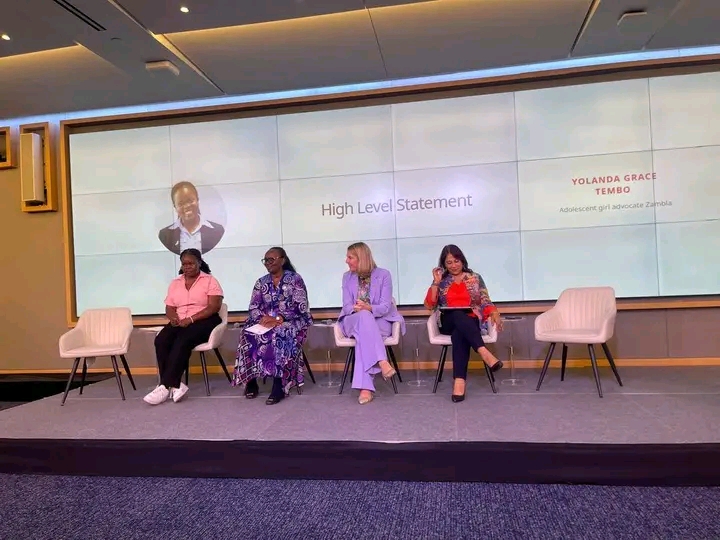
Ministry of Community Development and Social Services Permanent Secretary Ms. Angela Kawandami reaffirmed Zambia’s commitment during a high-level side event on “Protecting Progress and Renewing Collective Resolve to End Child, Early and Forced Marriage” held on September 23, 2026, on the margins of the 81st Session of the United Nations General Assembly.
The event was co-hosted by the Governments of Zambia and Canada and brought together governments, the United Nations, regional organisations, civil society, development partners and young people to discuss progress and accelerate action towards achieving Sustainable Development Goal Target 5.3 by 2030.
Ms. Kawandami said Zambia considers ending child marriage both a human rights imperative and a national development priority. She identified poverty, household vulnerability, limited access to education, adolescent pregnancy, harmful social norms and gaps in protection and essential services as factors that continue to expose girls to risk.
She said Zambia’s response must move beyond isolated interventions and strengthen coordination between social protection, education, health, child protection, justice and economic empowerment.
“Social protection is an important part of the prevention architecture,” Ms. Kawandami said, highlighting the role of cash transfers, livelihood support, skills development and complementary services in strengthening household resilience and expanding opportunities for girls.
She further called for stronger community-level child protection and social welfare systems to support early identification of vulnerabilities and timely intervention.
Zambia’s priority actions include strengthening social protection and cash-plus approaches, expanding girls’ access to education and re-entry opportunities, improving child protection and social welfare services, addressing harmful social norms, and strengthening data and accountability.
Ms. Kawandami stressed that sustained progress requires the involvement of Government, traditional and religious leaders, parents and caregivers, boys and men, civil society, development partners and girls and young women themselves.
Zambia also reaffirmed its partnership with Canada and its commitment to working with the United Nations, Member States and other partners to translate global commitments into measurable results. Canada and Zambia have continued to jointly champion international efforts to end child, early and forced marriage.
As the global community moves towards 2030, Zambia said commitments must be matched by implementation, financing and accountability to deliver lasting change in the lives of girls.