
Middle East Oil Exports Surge Despite Strait Of Hormuz Tensions
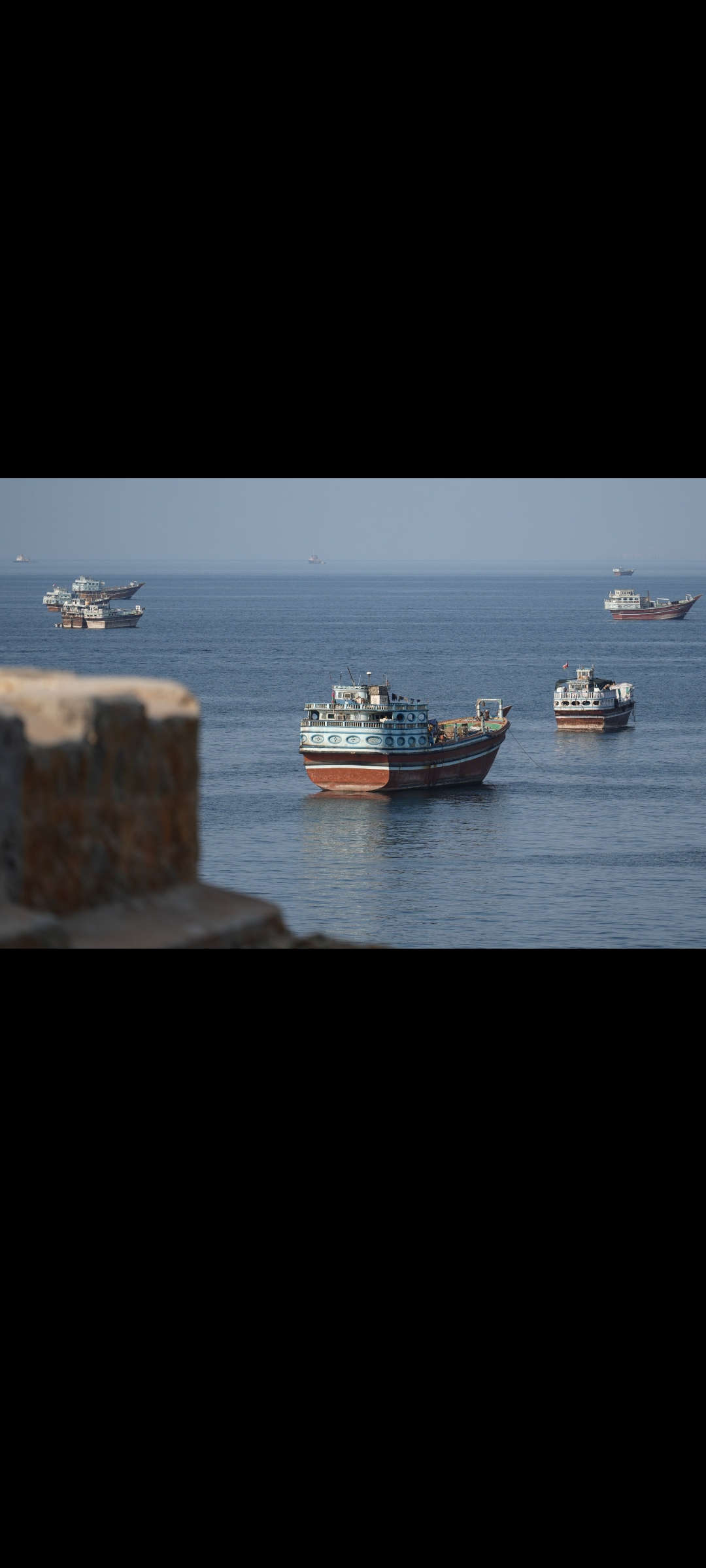
Middle East oil exports have risen above levels recorded before the US-Israel war on Iran began in February, despite continued tensions around the strategically important Strait of Hormuz. The development comes as Iran has attempted to block the waterway and attack vessels, raising concerns about the security of global energy supplies. Provisional data from maritime tracking firm Kpler shows that crude exports from the region exceeded pre-war levels on four days during the final week of September.
Kpler data indicates that regional crude exports reached between 19.5 million and 22.5 million barrels per day (bpd), compared with an average of about 18 million bpd before the war. The figures suggest that oil producers have managed to maintain strong export flows despite the security challenges facing tankers operating in the region. The continued movement of crude has also reduced the immediate possibility of a major supply shortage in international markets.
The surge has been partly attributed to increased protection for oil tankers travelling through the Strait of Hormuz. US ships have been helping to shepherd vessels through the waterway, while ship-to-ship transfers have increased as traders seek alternative ways of moving crude and reducing the risks associated with attacks. These measures have allowed oil shipments to continue despite fears that Iranian missiles and drones could target vessels.
However, the increased exports have not resulted in a corresponding collapse in oil prices. Insurance costs for vessels operating in the region remain elevated because of concerns over possible attacks. Markets are also continuing to price in the risk of a renewed conflict, meaning that traders remain cautious even as the physical flow of oil remains relatively strong.
A senior Kpler analyst has suggested that there could be another explanation for the unusually high level of exports. Michelle Brohard, Kpler’s head of policy and geopolitical risk, said that “some countries could be paying Iran for passage through the Strait of Hormuz.” Her comments suggest that financial arrangements may be helping Gulf countries maintain access to international markets despite the continuing confrontation with Tehran.
Brohard further suggested that Gulf countries could be “potentially handing Tehran a significant portion of the value of the cargo.” If such arrangements are taking place, they could provide Iran with an economic incentive to allow oil shipments to continue moving through the strait. At the same time, Gulf producers would be able to maintain their export revenues and avoid a complete shutdown of one of the world’s most important oil routes.
The importance of the Strait of Hormuz makes the situation particularly significant for the global economy. Before the war, “one-fifth of the world’s oil and natural gas exports” passed through the waterway. Any prolonged closure or severe disruption could therefore have consequences for fuel prices, transportation costs and inflation well beyond the Middle East.
The current situation demonstrates the delicate balance between military tensions and energy markets. While threats to shipping have increased the cost and risk of transporting oil, producers and traders have continued to develop ways of keeping supplies moving. The fact that exports have exceeded pre-war levels suggests that the market has so far been able to adapt to the disruption.
Nevertheless, the situation remains vulnerable to further escalation. A major attack on tankers or a prolonged blockade of the Strait of Hormuz could significantly reduce the amount of oil reaching international markets and trigger a sharp increase in prices. For now, however, the combination of protected shipping, ship-to-ship transfers and possible arrangements with Iran appears to be helping Middle Eastern oil exports remain resilient despite the continuing geopolitical tensions.