
Government Eyes 90% Youth Workforce as Mulungushi Textiles Nears Reopening
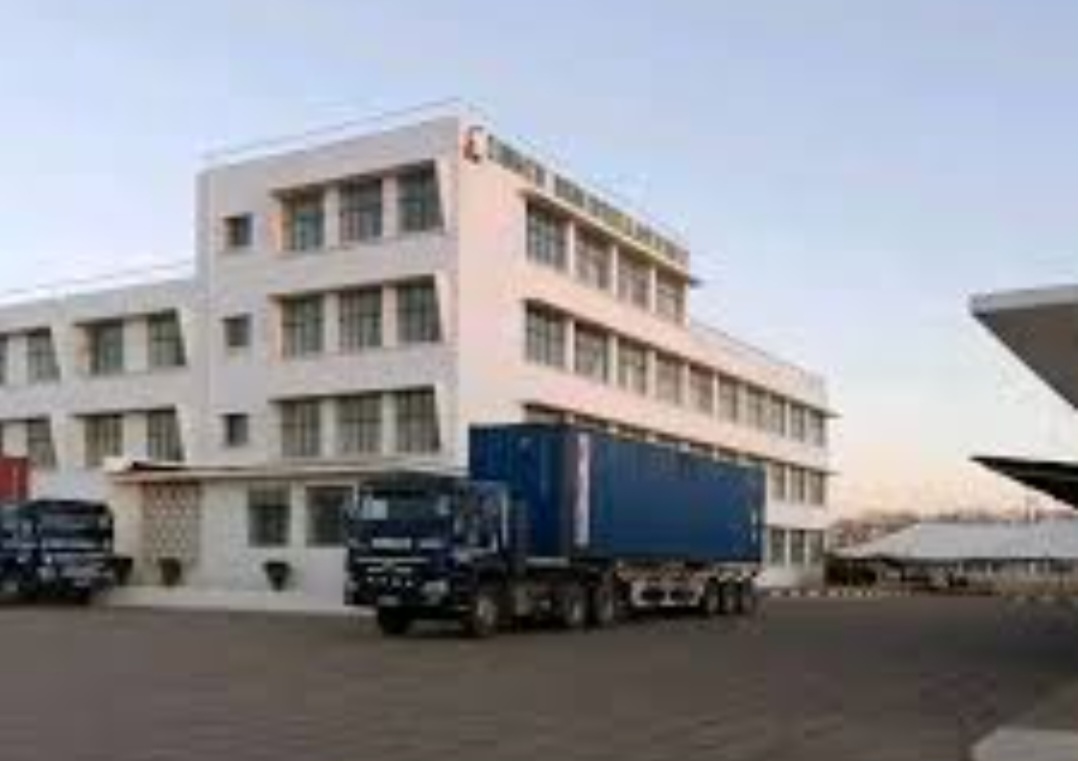
Government has set its sights on empowering young people with employment opportunities as the long-anticipated reopening of Mulungushi Textiles draws closer, with operations expected to resume within the next 30 days.
Minister of Youth, Sport and Arts, Elvis Nkandu, has called on young Zambians to prepare themselves for jobs at the revived facility, describing the project as a key component of the country’s broader strategy to diversify employment beyond traditional sectors such as education and healthcare.
Speaking during an inspection of the Mulungushi Textiles plant following a town hall meeting at Makululu Secondary School, Mr Nkandu said the factory will employ about 150 workers per shift, with 90 percent of those positions reserved for young people.
He emphasised that, unlike previous false starts, tangible progress is now evident at the plant.
“Previously, we used to see our colleagues just buy overalls and give them to young people to make it look like the plant was about to open, even when it wasn’t. But now, you can see for yourselves that real progress is happening,” Mr Nkandu said.
“My main interest is the young people, because when this plant starts operating, it will employ about 150 people per shift. And it’s not just any jobs, 90 percent of those employed will be young people,” he added.
The minister further encouraged young people and farmers to explore opportunities in cotton cultivation, noting that the reopening of the textile plant will create a ready market for locally grown raw materials.
“Young people, money isn’t only in milling or seeding. You can also earn by cultivating cotton and other profitable crops,” he said.
Mr Nkandu also underscored government’s role in fostering a conducive business environment to attract investment and stimulate job creation.
“Our role is to create an environment that is so conducive for the private sector to thrive. Then you will see a lot of direct foreign investment in our country, which will help us now create jobs,” he said.
Once operational, the revitalised plant is expected to produce approximately 40,000 metres of chitenge fabric per day, boosting local manufacturing and supporting Zambia’s industrialisation agenda.