
Gaza's Humanitarian Crisis Deepens, over 600 killed since Ceasefire.
The humanitarian crisis in Gaza continues to worsen, with over 600 Palestinians killed in Israeli attacks since the ceasefire came into effect, according to Gaza's Ministry of Health. The actual death toll could be significantly higher, with a Lancet study estimating that the conflict has resulted in over 75,000 deaths, including violent and indirect deaths.
The conflict has had a devastating impact on civilians, with women, children, and the elderly accounting for 56% of violent deaths. The destruction of infrastructure, including hospitals and homes, has left over 2 million residents displaced, many living in tents across the strip.
As Ramadan approaches, Palestinians in Gaza are facing significant challenges in observing the holy month. Despite the difficulties, communities are coming together to mark the occasion, with worshippers returning to damaged mosques and families finding ways to celebrate iftar despite the shortages and high prices.
Mahmoud, a spokesperson, highlights the resilience of Palestinians sheltering in schools, saying, "For many of the Palestinians sheltering inside this school, Iftar is a celebration of spiritual resilience, unbroken by Israel's genocide and a future that is far from certain."
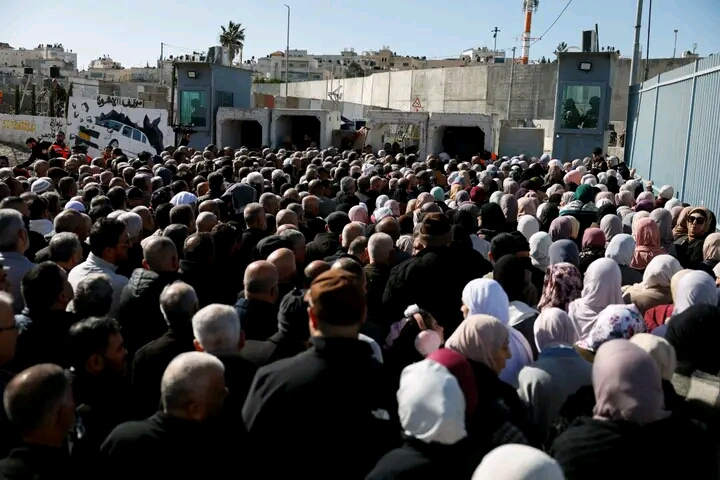
Meanwhile, restrictions imposed by Israeli authorities have limited access to Al-Aqsa Mosque, allowing only 10,000 Palestinians from the West Bank to enter with permits, and only men over 55, women over 50, and children under 12 are eligible. Sheikh Muhammad al-Abbasi, the senior imam of Al-Aqsa Mosque, expressed his distress over being barred from entering the mosque compound, saying, "This ban is a grave matter for us, as our soul is tied to Al-Aqsa. Al-Aqsa is our life".
The international community has pledged support, with countries contributing to the Board of Peace and promising aid. However, Hamas has stated that there can be no future arrangements until Israel stops its attacks, lifts its blockade, and guarantees people's right to self-determination.