
OIL PRICES SURGE ABOVE $100 AS US PLANS IRAN PORT BLOCKADE GLOBAL
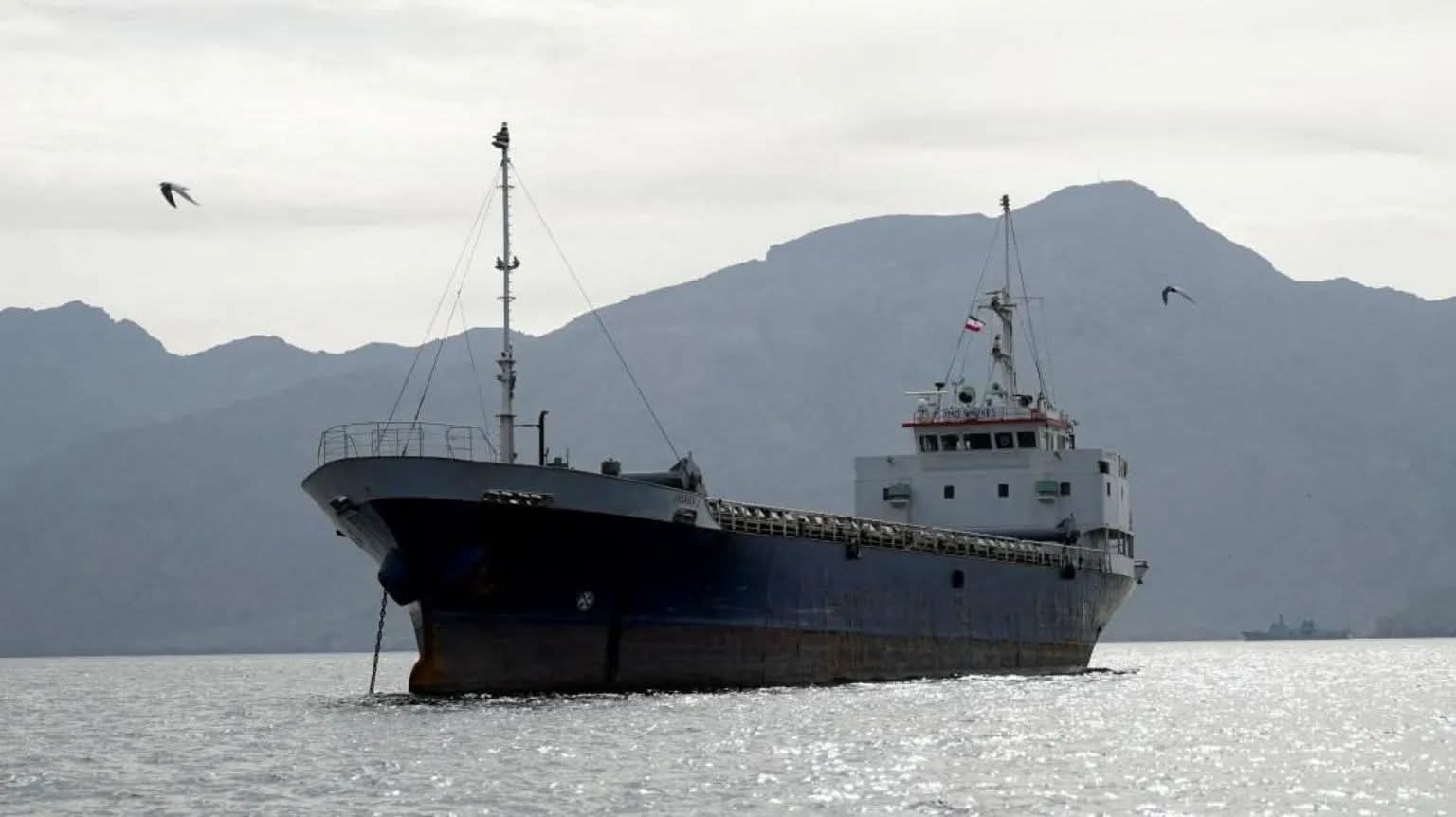
Oil prices climbed back above $100 per barrel as energy markets reopened in Asia following failed talks between the United States and Iran, raising fears of a worsening global energy crisis.
Global benchmark Brent crude rose by 8.5 percent to $102.37, while West Texas Intermediate increased by 9 percent to $105.34, reflecting heightened market uncertainty.
The spike comes after negotiations between Washington and Tehran ended without a new agreement, with Donald Trump announcing plans to blockade Iranian ports. The move has escalated tensions in the region, particularly around the strategic Strait of Hormuz, a critical route through which about one-fifth of the world’s oil supply passes.
“BLOCKADING any and all ships trying to enter, or leave, the Strait of Hormuz,” President Trump said, signaling a firm stance following the collapse of diplomatic efforts.
The US Central Command confirmed that the blockade would target vessels entering or leaving Iranian ports, while allowing passage for ships traveling to non-Iranian destinations through the strait.
Meanwhile, Iranian officials have rejected the move, warning of strong retaliation. Iran’s parliamentary leadership indicated that the country would not yield to external pressure.
“We will not submit to any threat,” Iranian parliamentary speaker Mohammad Bagher Ghalibaf said.
The renewed tensions follow a temporary drop in oil prices earlier this month after both countries agreed to a short-term ceasefire, which included reopening the Strait of Hormuz. However, doubts over the durability of the agreement and continued regional conflict have led to sharp price volatility.
Global financial markets also reacted negatively, with major Asian indexes including Japan’s Nikkei 225 and South Korea’s Kospi recording losses. Analysts say countries in Asia remain particularly vulnerable due to their heavy reliance on Middle Eastern oil supplies.
The latest developments highlight the fragile state of global energy markets as geopolitical tensions continue to influence supply and pricing.