
Zambia’s Copper Boom Puts 3 Million-Tonne Target Within Reach
LUSAKA — Zambia’s copper industry is entering a period of renewed growth as increased investment in existing mines and the development of new projects push the country towards its ambitious target of producing 3 million metric tonnes of copper annually by 2031.
The National Three Million Metric Tonnes Copper Production Strategy, launched by the Ministry of Mines and Minerals Development, seeks to raise annual copper production from around 800,000 tonnes to three million tonnes while attracting investment into exploration, mining, processing and the supply of goods and services.
Zambia produced 890,346 tonnes of copper in 2025, an increase from 825,513 tonnes in 2024. However, the country fell short of its 2025 target of one million tonnes, highlighting the scale of the challenge ahead.
Despite this shortfall, mining activity is expanding. Major operations including Konkola Copper Mines, Mopani Copper Mines, Kansanshi and Lumwana are undertaking investments aimed at increasing production. New projects, including the Mingomba Copper Project, are also expected to add substantial production capacity in the coming years.
The renewed investment is being driven partly by growing global demand for copper. The metal is critical to electric vehicles, renewable-energy infrastructure, electricity grids and other technologies associated with the global energy transition.
The expansion is also attracting international investors. In March 2026, Zambia said it was seeking additional global investment to help triple copper output, with the mining sector seen as a major source of economic growth, employment and foreign exchange earnings.
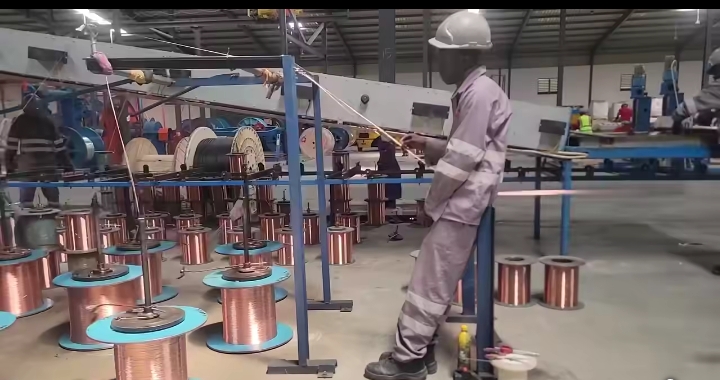
Government's strategy goes beyond simply extracting more copper. It also seeks to strengthen mineral processing and value addition, allowing Zambia to capture more economic benefits from its mineral resources rather than relying primarily on the export of raw or minimally processed material's.
There are already indications of stronger export earnings. According to the Zambia Statistics Agency, refined copper export earnings increased by 7.3 percent, from K19.6 billion in December 2025 to K20.2 billion in January 2026, while refined copper export volumes rose to 78,100 metric tonnes.
However, reaching three million tonnes will not be without challenges. Zambia must continue attracting large-scale investment, expand mining and processing capacity and address infrastructure and energy requirements. Analysts have also raised questions about whether the pace of production growth is sufficient to meet the 2031 target.
For Zambia, the copper expansion represents more than increased production figures. If effectively managed, the mining boom could generate employment, support local businesses, increase government revenues and strengthen the country's position in the global critical-minerals market.
With five years remaining before the 2031 deadline, the success of the strategy will ultimately depend on whether increased mining investment can translate into sustained production growth and broader economic benefits for Zambians.