
We hope Iranian war ends quickly so fuel prices don’t shoot up – Hichilema
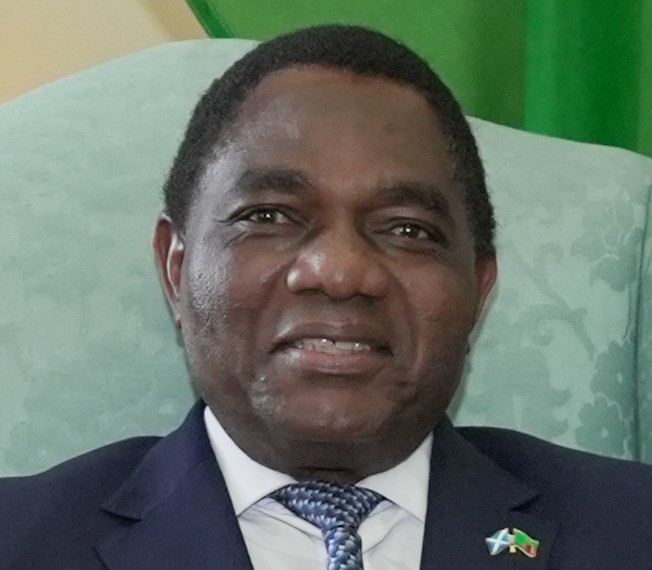
PRESIDENT Hakainde Hichilema says Zambia is hoping for a swift end to the escalating conflict involving Iran, warning that prolonged instability could drive up global oil prices and strain the country’s economy.
Speaking during a meeting with councillors and the Local Government Association of Zambia, President Hichilema said Zambia remains vulnerable to global shocks, particularly those affecting major oil-producing regions.
He stressed that even distant conflicts have a direct impact on local pump prices and the broader cost of living.
“We all hope this war will come to an end quickly, so that it doesn't shoot up the price of fuel and distort our inflation issues and other costs of doing business and living issues,” President Hichilema said.
The Head of State reiterated that Zambia does not support war and believes dialogue is the only sustainable path to stability.
He explained that Zambia’s fuel pricing is determined by three key factors: the exchange rate, transportation costs, and the international price of crude oil.
“You have seen what we have been doing to the pump price. We have been pushing the pump price down, and it's based on three parameters only; one is the exchange rate, which we are doing well. Two is the cost of transporting fuel. That’s why we are pushing more pipeline space, which is cheaper than road transportation,” he said.
“Three is the international price of fuel. We are doing well on one and two. Now on three, the war in Iran is causing an increase in the fuel price. Then that is beyond us.”
Meanwhile, tensions heightened after attacks on vessels near the Strait of Hormuz, a critical global oil corridor. The UK Maritime Trade Operations Centre reported that two ships were hit while a third narrowly avoided an unidentified projectile.
Oil prices reacted sharply. According to the BBC, Brent crude surged by more than 10 percent in early Asian trading to about $78.72 per barrel, while U.S. crude traded around $72.20.
The crisis intensified following reports that Ayatollah Ali Khamenei was killed in joint strikes involving the United States and Israel, prompting retaliatory attacks across parts of the Gulf region, including the United Arab Emirates, Qatar, and Kuwait.
President Hichilema said peace in oil-producing nations is vital not only for Zambia but for global economic stability.