
Government Offers Condolences to Family of 28-Year-Old Woman Who Died at Lukulu Hospital and Urges Public Support for Health Workers
The government has expressed its condolences to the family of a 28-year-old woman who died at Lukulu District Hospital, while calling on the public to show greater support and respect for healthcare professionals working under demanding conditions.
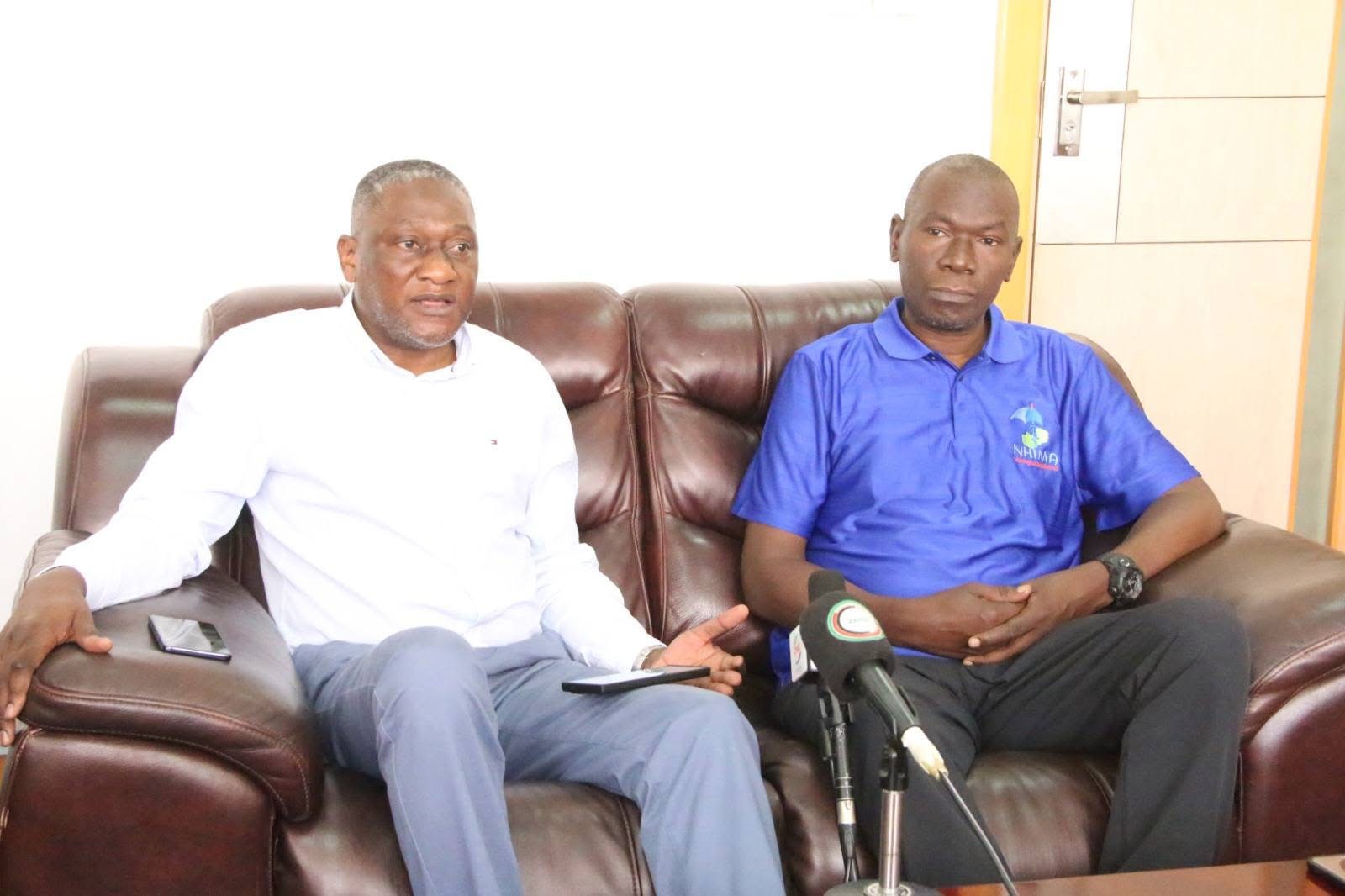
In a joint press briefing held today, the Ministry of Health Permanent Secretary for Technical Services, Dr. Kennedy Lishimpi and the Ministry of Information and Media Permanent Secretary, Mr. Thabo Kawana, addressed public concern following the circulation of a video recorded at the hospital.
Dr. Lishimpi conveyed sympathies on behalf of the Ministry of Health, acknowledging the grief of the bereaved family.
He explained that the patient, who had a known history of epilepsy, was referred to Lukulu District Hospital from Luvuzi Mini Hospital in Western Province.
Upon arrival, she was in a semi-comatose state and diagnosed with malaria.
Despite medical efforts to stabilise and treat her, she unfortunately did not survive.
Dr. Lishimpi echoed the importance of mutual trust between healthcare providers and the public, warning that disruptions during critical care moments can hinder effective treatment and put lives at risk.
He also underscored the serious consequences of delayed medical care, urging community members to seek treatment promptly when symptoms arise.
"Timely medical intervention is key to better outcomes. Supporting our healthcare workers is vital for the system to function effectively," he said.
Dr. Lishimpi further advised that any grievances or concerns regarding medical services should be formally reported through designated channels such as the district health office or the supervising medical officer, to ensure transparency and accountability.
Meanwhile, Mr. Kawana criticized the act of filming and sharing footage from inside healthcare facilities, particularly when it involves patients.
He described such actions as a breach of patient confidentiality and dignity.
He also cautioned that recording vulnerable individuals without consent is against the law and could attract legal penalties under Zambia’s cyber and data protection regulations.
Mr. Kawana raised concerns about the misuse of sensitive health incidents for political or personal gain, especially during the current election period.
He urged the public to engage constructively and respect the integrity of healthcare services.
Both officials reiterated the government's commitment to upholding patient rights while also ensuring that medical personnel are able to carry out their duties in a secure and supportive environment.