
Egyptian Youth Leader Delivers African Youth Symposium Outcomes to Johannesburg Mayor
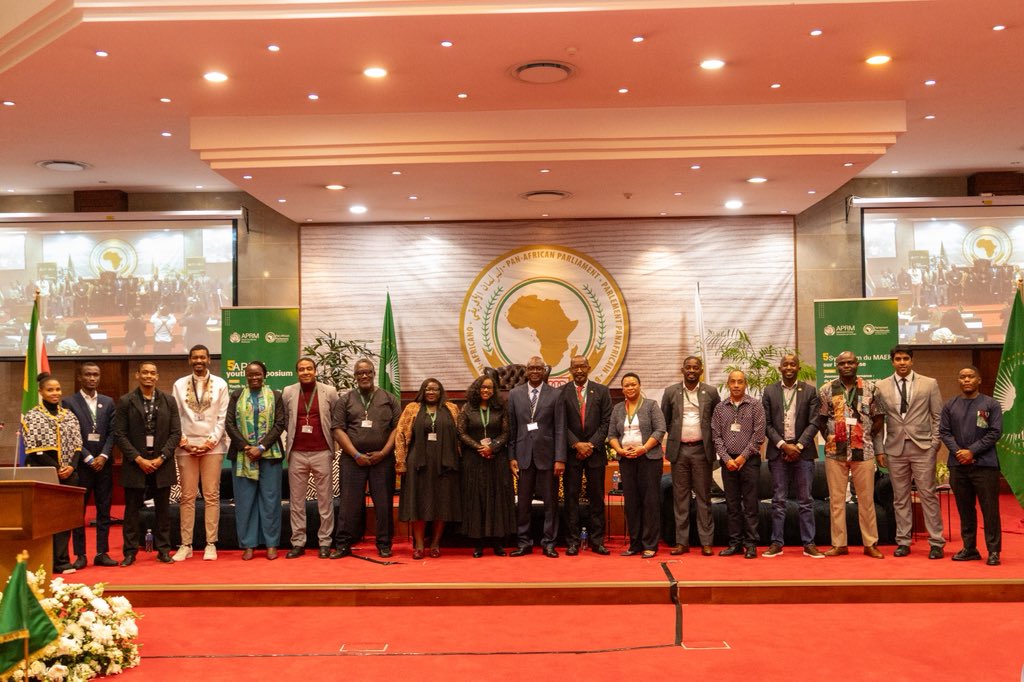
Johannesburg, South Africa - Hassan Ghazaly, an Egyptian member of the African Peer Review Mechanism (APRM) Focal Point Committee and Founder of the Global Solidarity Network, has formally handed over the outcomes of the 5th African Youth Symposium to Johannesburg Executive Mayor Dada Morero and APRM Chairperson Ambassador Marie-Antoinette Vilakazi at the conclusion of the event.
The Symposium was held at the Pan-African Parliament in South Africa under the theme “Youth in Governance: From Promise to Prosperity”. It featured robust discussions and drew participation from prominent African and international figures.
Among the attendees were H.E. Fortune Zephaniah Charumbira, President of the Pan-African Parliament and Honorary President of the Symposium; Hon. Laila Daahi, Chairperson of the PAP Committee on Youth; Ahmed Bennegh, Secretary-General of the African Youth Union (AYU); Dr. Sunshine Monihenh Leimenh, Chairperson of South Africa’s National Youth Development Agency (NYDA); Dr. Bernice Hlagala, Executive Director of the Office for Women, Youth and Persons with Disabilities in the Presidency; Minister Inkosi Mzamo Buthelezi, Minister of Public Service and Administration and APRM Focal Point; H.E. Vincent Angeline Meriton, former Vice President of the Republic of Seychelles; Dr. Nkosazana Dlamini-Zuma, former Chairperson of the African Union Commission; Lennon Monyae, Civil Society Officer and Conference Coordinator at the APRM Secretariat; Nefertiti Moshia Tchipanda, Permanent Representative of the International Organisation of La Francophonie (OIF); and Mr. Moketsi Khoahla, Co-Chair of the Y20 South Africa (G20) Engagement Group.
The two-day conference followed an action-oriented agenda and adopted a participatory and inclusive approach to ensure diverse youth representation. It commenced with high-level opening statements and discussions, followed by structured activities including academic and political roundtables, sessions showcasing youth-led success stories and innovations, and direct dialogues with political decision-makers and African Union officials. A dedicated exhibition for youth initiatives was also featured.
Working group discussions were held across five key thematic pillars: peace and security in Africa, Generation Z and participation in governance, development and employment, re-evaluating the African Union on youth development, and amplifying African youth and restorative justice.
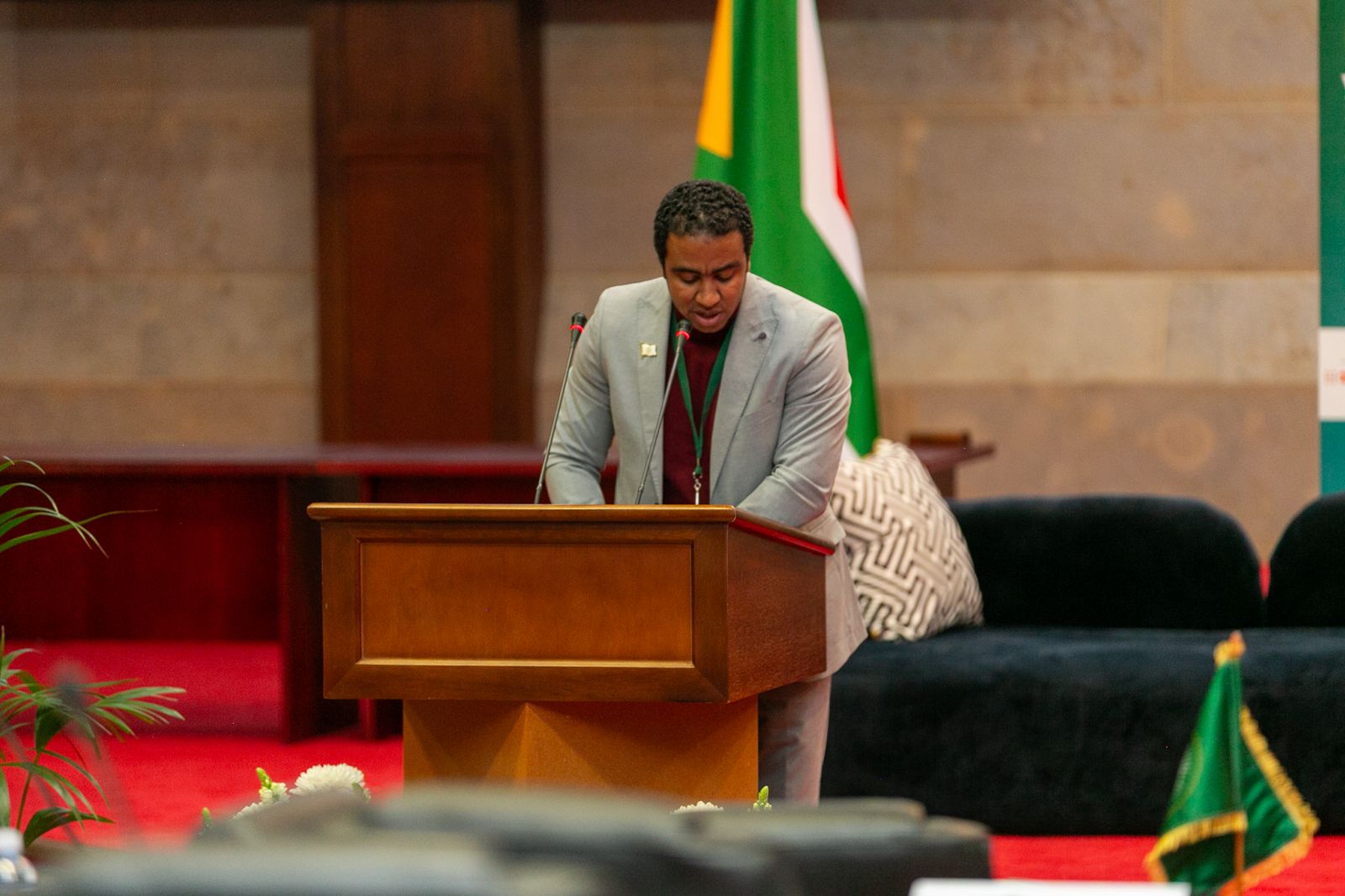
In his concluding remarks, which included the Summit’s final recommendations, Hassan Ghazaly stated that African youth are striving to move “From Promise to Prosperity” through accountable and transparent governance. He stressed the need for a review of the African Youth Charter, coinciding with its 20th anniversary.
Ghazaly added that participants unanimously agreed that effective youth participation in governance is linked to sustainable peace. He issued an urgent appeal to African Union leaders for immediate action to protect civilians and restore security in Sudan, the eastern Democratic Republic of Congo, the Sahel region, and other conflict hotspots. He also highlighted the need to address the age gap between decision-makers and citizens through electoral reforms that reduce candidacy fees and broaden participation for youth and independent candidates.
On the economic and social front, Ghazaly expressed concern over high youth unemployment and the mismatch between education and the labour market, noting that these challenges worsen issues such as drug abuse and mental health crises. He called on governments to adopt comprehensive employment policies, promote entrepreneurship, support national youth development agencies, and shift from exporting raw materials to local manufacturing based on science and technology. He further underscored the importance of operationalising the African Continental Free Trade Area (AfCFTA) and the Pan-African Payment and Settlement System (PAPSS), as well as adopting gender-responsive budgets to ensure women’s inclusion in development.
Ghazaly concluded that the transition “From Promise to Prosperity” demands courage, solidarity, and innovation, stating that prosperity is not a gift to be granted but is built through collective effort, visionary leadership, and accountable governance.