
Concerns Over Rapid Depletion of Prepaid Electricity Units Explained.
Concerns Over Rapid Depletion of Prepaid Electricity Units Explained.
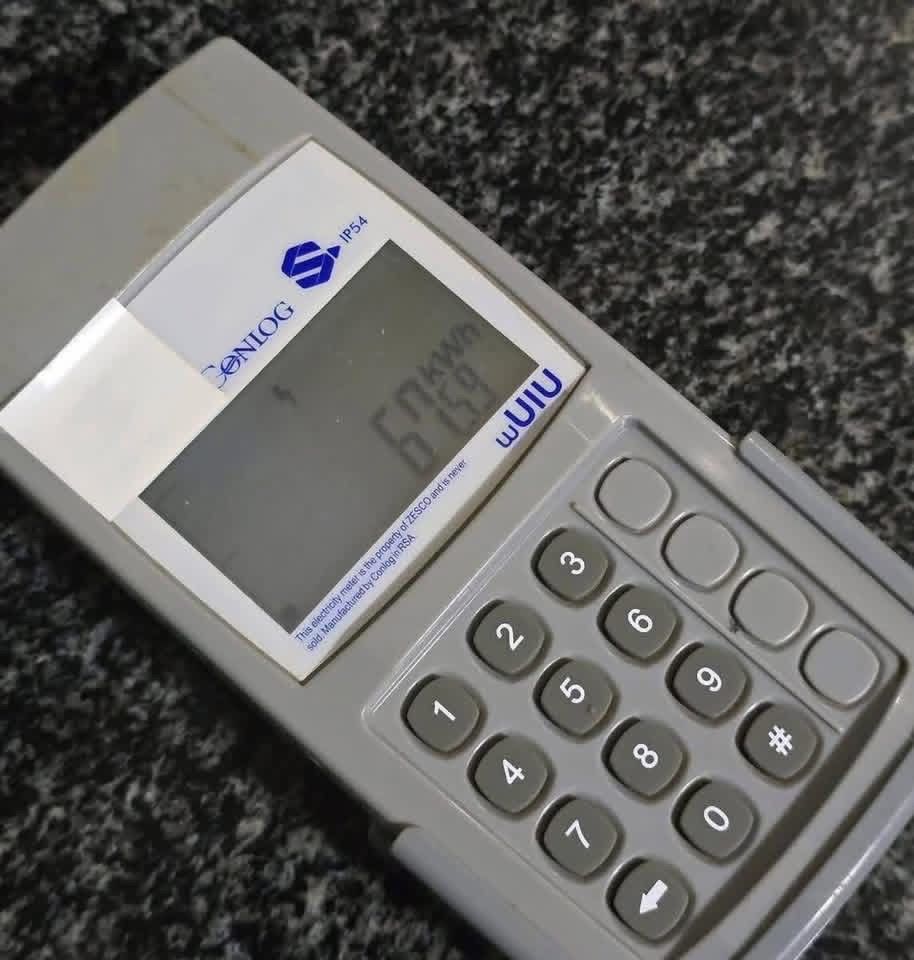
Public concerns over the rapid depletion of prepaid electricity units have been attributed to recent tariff adjustments, improved power supply, and increased household consumption, according to the Democratic Progressive Party (DPP).
In a statement issued on Monday, DPP President Antonio Mourinho Mwanza said electricity units have not changed in value or measurement, clarifying that one unit remains equivalent to one kilowatt-hour (kWh). He explained that the perceived reduction in units is solely due to higher electricity tariffs approved by the Energy Regulation Board (ERB), which took effect on November 1.
Mr Mwanza noted that prior to the tariff revision, K100 could purchase between 45 and 50 units depending on a consumer’s tariff category. Under the current tariff structure, the same amount now purchases approximately 30 to 35 units for most domestic users, meaning consumers are paying more per unit rather than receiving fewer units.
He further explained that the faster depletion of prepaid electricity is also being driven by reduced load-shedding, which has allowed household appliances such as refrigerators, televisions, geysers, cookers, and water pumps to operate for longer periods. Additionally, Mwanza said many households underestimate the electricity consumption of high-energy appliances, which significantly impacts usage.
Mr Mwanza dismissed claims of hidden reductions or meter tampering, stating that the current situation reflects normal consumption patterns under higher tariffs and improved electricity availability.
To improve affordability for domestic consumers, the DPP proposed strengthening the lifeline tariff by allocating between 100 and 150 subsidised units per household each month, particularly for low-income households. He also called for the introduction of time-of-use or block tariffs to encourage efficient consumption, as well as the promotion of energy-efficient appliances through tax incentives.
The party further recommended targeted subsidies for vulnerable groups, including low-income households, pensioners, and rural domestic consumers, instead of blanket subsidies.
He said while public concerns are valid, restoring confidence in the electricity sector requires transparent communication, protection of basic household consumption, and targeted tariff relief measures to ensure electricity remains accessible and affordable for all Zambians.